What Are Polyphenols? Health Benefits For Heart Heart And More


Many of us know that certain foods, like berries or green tea, are good for us. But what’s the secret behind their health benefits? Polyphenols. These important plant chemicals act as antioxidants that defend against oxidative stress and can play a key role in preventing a wide range of chronic diseases. (21) Polyphenols also increase the production of antioxidants in the body, including glutathione, catalase, and superoxide dismutase. (20)
What are polyphenols?
Polyphenols aren’t a single nutrient. Instead, “polyphenol” is an umbrella term that covers several types of protective phytochemicals, including flavonoids, phenolic acids, and stilbenes.

Sleek consumer lab tests offer data, not direction
Influencer-driven lab companies with AI doctors? That’s not how real health functions. Fullscript Journeys gives you the easy lab testing experience you want and a provider to support you when the real work begins.
Flavonoids
Flavonoids are pigmented antioxidants found in many brightly colored fruits and vegetables, and they are the most widely consumed type of polyphenol in the human diet. (13) The flavonoid family includes anthocyanidins, which are found in red, purple, and blue foods like blueberries, pomegranates, and purple grapes; flavonols like quercetin and kaempferol, which are found in cruciferous vegetables, alliums, and beans; flavanols found in cocoa, red wine, and green or white tea; and the isoflavones in legumes. (12)
Phenolic acids
Phenolic acids are bioactive polyphenols with antioxidant, antimicrobial, and anti-inflammatory properties. They make up about 30% of the polyphenols we eat and can be found in nuts, fruits like berries and grapes, red wine, and coffee. (17)
Stilbenes
Although stilbenes aren’t as prevalent in the diet as flavonoids and phenolic acids, they include two well-known antioxidants: resveratrol and pterostilbene. Preliminary studies suggest that stilbenes may help prevent age-related diseases due to their ability to defend against oxidative stress. (15)
Did you know? Polyphenols are also known by the moniker polyhydroxy phenols.
4 health benefits of polyphenols
Attributed to their antioxidant and anti-inflammatory properties, polyphenols may protect against the damage caused by oxidation and inflammation. As such, a diet rich in polyphenols may lower the risk of a wide range of degenerative and chronic diseases. (13) Here are the 4 most well-documented health benefits provided by polyphenols.
1. Supports cardiovascular health
It’s no secret that a diet rich in fruits and vegetables can support heart health. Numerous studies have linked the higher polyphenol content in these foods to a variety of cardiovascular benefits. For instance, the polyphenols in pomegranate juice reduce oxidative stress and help keep platelets from clumping together. They also inhibit low-density lipoprotein (LDL) oxidation—a key factor involved in the development of atherosclerosis. (1)
The flavonoids in cocoa have also been found to improve multiple cardiovascular risk factors. A review published in The Journal of Nutrition reported that cocoa consumption reduced systolic blood pressure and LDL levels while increasing high-density lipoprotein, the “good” cholesterol. Cocoa also improved flow-mediated dilation, which enhanced blood flow through the arteries. (18) Another review found that people who ate a diet high in polyphenols had a markedly lower risk of dying from cardiovascular disease compared to those eating fewer polyphenol-rich foods. (6)
2. Supports increased cognition
Oxidative damage contributes to neurological conditions like Alzheimer’s disease and dementia. A diet high in polyphenol-rich foods may enhance brain function and protect against age-related cognitive decline. Several studies have found that a variety of polyphenols—including resveratrol from grapes, epigallocatechin-3-gallate from green tea, curcumin from turmeric, and quercetin from onions—can protect against toxins that affect the brain, reduce inflammation, and promote better memory and cognition. (19) One study found that drinking grape juice, a rich source of resveratrol, resulted in significantly better memory in older adults with mild cognitive impairment in as little as 12 weeks. (8)
3. Supports healthy blood sugar levels
Polyphenols have been shown to support healthy blood sugar levels. Australian research reports that polyphenols prevent the breakdown of dietary starches into simple sugars that can rapidly raise blood sugar. (7) Polyphenols may help protect pancreatic cells, reduce inflammation and oxidative stress, and inhibit the formation of advanced glycation end products (AGEs), such as glycated hemoglobin. (22) Glycation occurs to proteins or lipids that are in contact with sugars for an extended period of time, causing molecular changes. (4) Research indicates that having high levels of glycated hemoglobin, or hemoglobin A1C, in the bloodstream can contribute to the development of atherosclerosis and type 2 diabetes. (4)(16) A study that appeared in the British Journal of Nutrition also found that a higher polyphenol intake was directly linked to a lower rate of type 2 diabetes among a group of adults in Eastern Europe. The researchers noted that, while phenolic acids and stilbenes contributed to this association, the benefits were primarily attributed to flavonoids. (5)
4. Improved gut health
Digestion is also positively impacted by polyphenols. Studies suggest that, in the gut, polyphenols act like prebiotics. This fosters the growth of beneficial bacteria, such as Lactobacillus and Bifidobacteria strains. (10)(11) They also appear to stimulate gastrointestinal immunity, reduce inflammation, and inhibit the growth of harmful bacteria. (9) A joint review by researchers at the University of Louisville, the University of Kentucky, and Ohio State University found that the polyphenols in green tea reduced inflammation in the large intestine and improved the symptoms of both inflammatory bowel disease and peptic ulcers. They also found that the polyphenols in carob powder helped reduce the duration of symptoms in a group of children with acute diarrhea. (3)
Polyphenols in food
Polyphenols are found in many foods, particularly fruits and vegetables, making it easy to get a daily dose of these antioxidants. The following graphic contains ten of the top polyphenol-rich food sources.
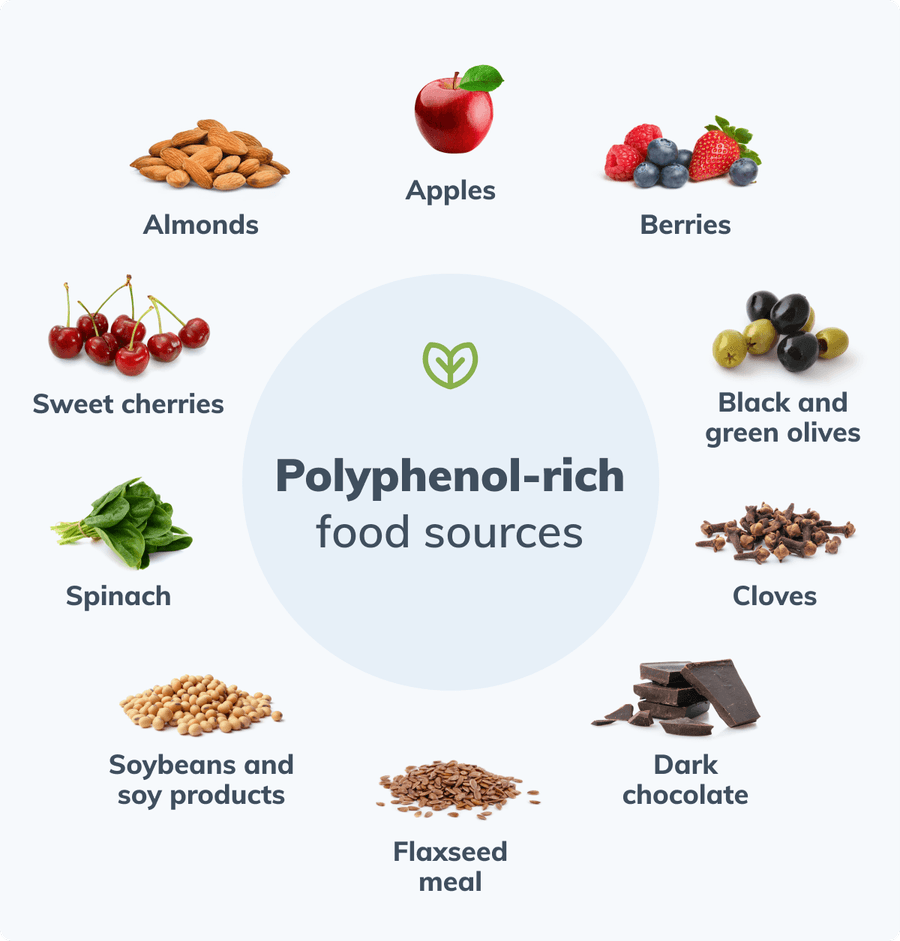
Did you know? Cocoa products, including cocoa powder and dark chocolate, are among the top ten polyphenol-rich foods. (14)
The bottom line
Flavonoids, phenolic acids, and stilbenes provide many health benefits. When it comes to increasing your polyphenol levels, there are a number of polyphenol-rich foods you can add to your diet. If you’re a patient, speak to your integrative healthcare practitioner before making changes to your diet or wellness plan.
Sleek consumer lab tests offer data, not direction
Influencer-driven lab companies with AI doctors? That’s not how real health functions. Fullscript Journeys gives you the easy lab testing experience you want and a provider to support you when the real work begins.